.svg)

Summer Lawn Care in Louisville KY: Keep Your Lawn Healthy All Season
Between the humidity, the clay soil, and the heat pressing down on your turf, your lawn faces real stress from June through August.
%20(1).jpg)
Summer Lawn Care in Louisville KY: Keep Your Lawn Healthy All Season
Summer in Louisville hits hard. Between the humidity, the clay soil, and the heat pressing down on your turf, your lawn faces real stress from June through August. If your grass is already showing signs of strain, you are not alone, and you are not out of options. Let's break it down.
Key Takeaways
- Louisville's clay-heavy soil and summer heat stress cool-season grasses like tall fescue, so consistent care matters more in June than most homeowners realize.
- Proper fertilization timing protects your lawn without pushing weak, disease-prone growth in the heat.
- Perimeter pest control in summer keeps ants, spiders, and other insects outside where they belong.
- Tree and shrub care during summer prevents heat stress and pest damage from spreading to the rest of your landscape.
- Soil health is the foundation of everything, and it is what separates a lawn that survives summer from one that thrives through it.
Understanding Your Lawn in a Louisville Summer
What the Heat and Humidity Actually Do to Your Grass
Louisville summers are humid and hot, with temperatures regularly climbing into the upper 80s and 90s. That combination creates stress for cool-season grasses like tall fescue, which is the most common turf type in the Louisville metro and Southern Indiana. Fescue slows its growth and pulls energy inward when temperatures stay consistently high. That is a natural response, not a failure.
Why June Is a Critical Turning Point
June is the month when summer stress begins to build but has not yet peaked. This is your window. Lawns that go into July with strong roots, balanced soil, and proper moisture retention handle the heat far better than lawns that were neglected through spring. Catching problems early in June, like thin spots, compaction, or early pest pressure, gives you a real advantage.
The Role of Clay Soil in the Louisville Metro
Most yards in the Louisville area sit on heavy clay soil. Clay holds moisture but also compacts easily, limiting oxygen and water movement to grass roots. When clay gets hot and dry, it pulls away from itself and creates cracks. When it gets wet, it can stay waterlogged. Managing this soil type is a year-round effort, and it is central to everything Lawn Cure does for local homeowners.
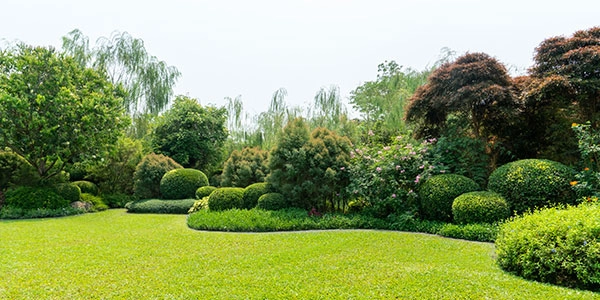
Image: alt="Louisville KY lawn in summer showing green tall fescue turf with clay soil visible at edge of bed"
Lawn Fertilization in Summer: Timing Is Everything
Why Over-Fertilizing in Heat Is a Real Risk
Pushing heavy nitrogen onto a lawn during a Louisville summer can do more harm than good. Fast, lush growth triggered by excess fertilizer in high heat is weak growth. It invites disease, attracts insects, and puts extra stress on roots that are already working hard to stay hydrated. Less is often more when temperatures climb.
What a Healthy Summer Fertilization Program Looks Like
A good summer program for tall fescue in Kentucky focuses on slow-release nutrients that feed the soil steadily without triggering a surge of fragile top growth. The goal is to support root depth and microbial activity in the soil, not just green color on the surface. That distinction matters a lot in a humid climate like Louisville's.
How Lawn Cure's Six-Step Program Addresses Summer Needs
Lawn Cure's Healthy Grow Program is built around the specific soil conditions and grass types found in the Louisville metro and Southern Indiana. Each step is timed to what your lawn actually needs at that point in the season, not a generic calendar designed for a different region. Summer applications focus on protecting what you built in spring and setting up a strong recovery heading into fall.
Perimeter Pest Control: Keeping Summer Insects Outside
What Pests Are Active Around Louisville Homes in June
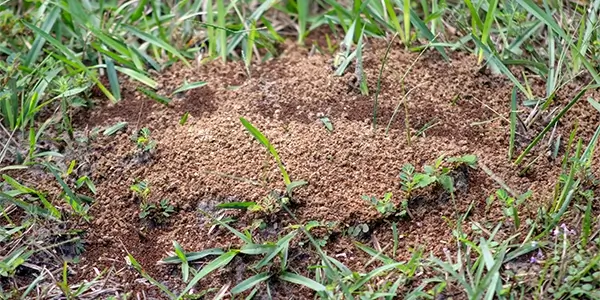
Summer brings heavy pest pressure in Southern Indiana and the Louisville area. Ants, spiders, centipedes, earwigs, and occasional invaders like boxelder bugs become far more active as temperatures rise. They look for cool, dark places to hide, and the gap between your foundation and the outdoors is an easy entry point.
How Perimeter Pest Control Works
Perimeter pest control creates a treated barrier around the outside of your home. The focus is on stopping insects before they get inside, targeting the areas where pests travel most, including foundation edges, door frames, window sills, and ground cover beds. Treating the perimeter is more effective than waiting to react to an indoor infestation.
Why Summer Timing Matters for Pest Treatments
Pest pressure in the Louisville metro peaks in June and July. Treating early in the season, before populations build, gives you better protection through the hottest months. If you wait until you see insects inside your home, you are already behind. Consistent, scheduled treatments keep that barrier strong all summer long.
Image: alt="pest control technician applying perimeter treatment to home foundation in Louisville Kentucky summer"
Tree and Shrub Care During Summer Heat
Common Summer Stress Signs on Louisville-Area Trees and Shrubs
Look closely at your ornamental trees and shrubs this June. Yellowing leaves, early leaf drop, scorched edges, and wilting that does not recover overnight are all signs of heat stress or pest pressure. The Louisville area sees issues with Japanese beetles, aphids, and scale insects that become more active and damaging through the summer months.
Why Trees and Shrubs Need Attention Beyond Watering
Watering helps, but it does not address everything. Trees and shrubs under stress from nutrient deficiency or pest activity need targeted care to recover. A deep-root feeding program supports the soil around your trees and shrubs the same way a lawn program supports turf, by building soil health that allows roots to do their job.
Protecting Your Landscape Investment
The trees and shrubs in your yard represent years of growth and real value to your property. Summer is when that investment is most at risk. Consult the team at Lawn Cure to have your trees and shrubs assessed before summer stress compounds into something harder to reverse heading into fall.
Image: alt="ornamental tree in Southern Indiana yard showing healthy summer foliage after professional tree and shrub care"
Watering and Mowing Practices That Support Summer Lawn Health
How to Water Tall Fescue in a Louisville Summer
Deep, infrequent watering is the right approach for fescue in the Louisville area. Watering deeply two to three times per week encourages roots to grow downward, which improves drought tolerance. Shallow daily watering keeps roots near the surface where they are most vulnerable to heat. Early morning is the best time to water, before temperatures rise and before the afternoon humidity creates conditions for fungal disease.
Mowing Height Matters More in Summer Than Any Other Season
Raise your mower deck in June. Tall fescue should be kept at three and a half to four inches during summer. Taller grass shades the soil, reduces moisture evaporation, and keeps root temperatures lower. Cutting too short in summer is one of the most common and most damaging mistakes Louisville homeowners make.
Keeping Your Mower Blades Sharp
A dull mower blade tears grass rather than cutting it cleanly. Torn grass tips turn brown and create open entry points for fungal disease, which is already a risk in Louisville's humid summers. Sharp blades make a visible difference in how your lawn looks and a real difference in how it handles heat stress.
Soil Health: The Foundation of a Resilient Louisville Lawn
Why Soil Health Drives Everything Else
You can water consistently, mow correctly, and apply the right fertilizer, but if your soil is compacted, nutrient-depleted, or biologically inactive, your lawn will always struggle. Soil health is the starting point. In the Louisville metro, where clay soil is common, building and maintaining soil biology is an ongoing process, not a one-time fix.
What Healthy Soil Looks Like Under a Louisville Lawn
Healthy soil has good structure, meaning water and air move through it without pooling or suffocating roots. It has active microbial life that breaks down organic matter and makes nutrients available to grass roots. And it has the right pH balance, which in Kentucky is often slightly acidic and sometimes needs adjustment to allow nutrients to be absorbed efficiently.
How Lawn Cure's Approach Supports Soil-First Lawn Care
Lawn Cure's programs are built on soil health rather than surface-level results. The Healthy Grow Program avoids synthetic chemicals, focusing instead on inputs that support the biological systems already present in your soil. That approach builds lawns that are genuinely more resilient over time, not just green for a season.
Image: alt="healthy lawn soil profile in Louisville KY showing root depth in well-maintained tall fescue turf"
What to Watch for in Your Lawn Right Now
Signs Your Lawn Needs Attention This June
Thin or bare patches, grass that wilts in the morning before temperatures peak, unusual discoloration, and persistent weeds in areas that were thick last fall are all worth taking seriously. These are not cosmetic issues. They are signals that something in the soil or turf system needs attention before summer stress makes them worse.
Pests and Diseases That Show Up in Louisville Summers
Brown patch fungal disease is a real threat to tall fescue in the Louisville area during hot, humid summers. Grub activity also begins in June as Japanese beetle larvae hatch and start feeding on grass roots. Catching these problems early is far easier than correcting them after they have spread across the lawn.
When to Call for a Professional Assessment
If you are seeing multiple stress signs at once, or if your lawn did not recover well from last summer, a professional assessment is the right next step. A trained eye can identify whether the issue is soil-based, pest-related, disease-driven, or a combination. That distinction changes what the solution looks like.
Conclusion
Summer in Louisville and Southern Indiana is demanding on lawns, trees, and shrubs. The heat, humidity, clay soil, and pest pressure all work against you at the same time. But the lawns that come through summer looking their best are not lucky. They are maintained consistently, treated with the right inputs at the right times, and built on healthy soil.
Whether you need help with your lawn's fertilization program, perimeter pest control around your home, or care for the trees and shrubs in your landscape, Lawn Cure has been serving the Louisville metro and Southern Indiana since 1978. The team knows this region's soil, its grass, its pests, and its seasons.
Give Lawn Cure a call today at 812-246-8800 to schedule a summer lawn assessment and find out what your lawn needs to finish the season strong.