
Lawn Care in Prospect, IN
A thick, green lawn doesn't happen by accident — it takes the right treatments, applied at the right time, by people who know the soil. Since 1978, Lawn Cure has been caring for lawns across the Louisville Metro and Southern Indiana area, building 48 years of local experience into every application. Whether you're a homeowner who takes pride in your yard or a business owner who wants a well-kept property, our lawn care programs are built around the specific growing conditions of your area — not a one-size-fits-all formula.
Here's a look at the lawn care services Lawn Cure offers in Prospect:
- Lawn Fertilization Programs
- Pre-Emergent Weed Control
- Post-Emergent Weed Control
- Crabgrass Control
- Organic Lawn Care (Healthy Grow Program)
- Seasonal Lawn Treatments
- Free Lawn Analysis & Inspection
- And More
From early spring through late fall, Lawn Cure keeps your lawn on a proven treatment schedule — so you get consistent results without the guesswork. Contact us today to schedule your free lawn inspection and find out why homeowners and businesses throughout Prospect have relied on us for generations.

Our Lawn Care Services in Prospect
Your Local Office
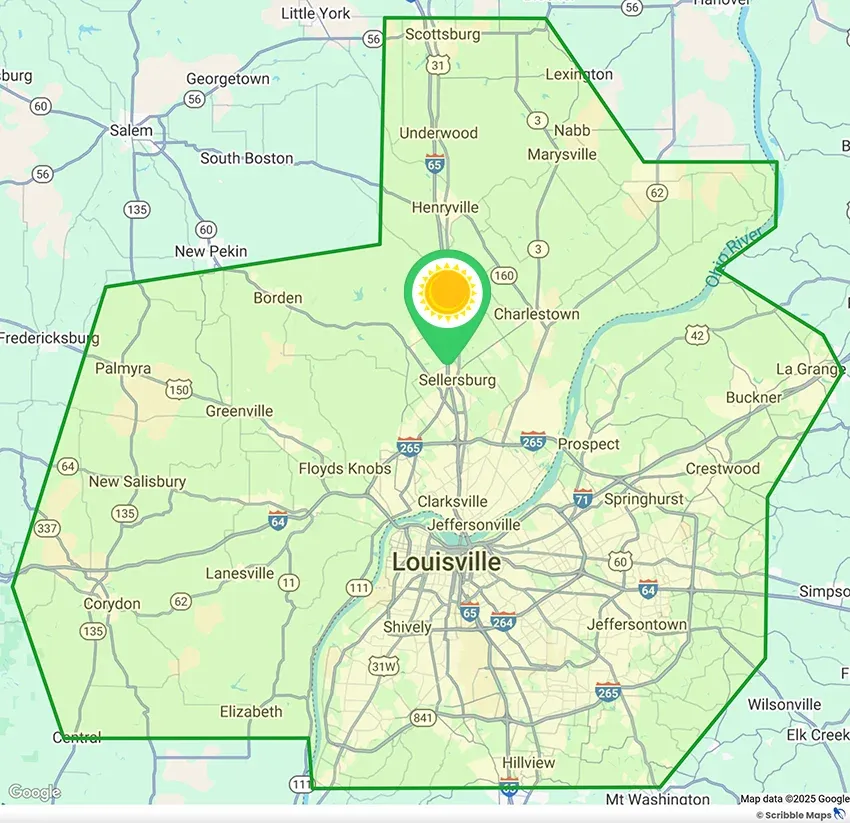
Trusted Lawn Technicians in Prospect Since 1978
What It Really Takes to Have a Healthy, Resilient Lawn
A great-looking yard does not happen by accident. In Indiana, where soil conditions, humidity, and seasonal turf stress can vary significantly from one neighborhood to the next, the difference between a struggling lawn and a thriving one often comes down to how well the care plan fits the specific property.
Why a Proper Lawn Assessment Changes Everything
Not all grass is the same, and neither is the soil underneath it. Our lawn assessments look at the full picture, including soil health, turf type, and weed pressure, so that the treatment plan actually matches what your yard needs. Skipping this step is one of the most common reasons DIY lawn programs fall short.
Studies show that soil pH imbalances affect more than 50% of home lawns in the U.S., quietly limiting how well grass absorbs nutrients no matter how much fertilizer gets applied. Getting a clear read on what is actually happening below the surface is what makes a tailored plan work.
Professional lawn care tends to produce measurably better results than going it alone, including:
- Deeper, more developed root systems that hold up better under heat and drought stress
- Greener, more consistent turf color throughout the growing season
- Stronger natural resistance to weeds, disease, and seasonal wear
- Targeted weed control that treats existing problems without damaging surrounding grass
What Homeowners Can Do to Support the Process
Professional lawn care covers a lot, but working together with your service provider is what drives the best outcomes. Consistent watering between applications keeps the soil from drying out and helps nutrients move into the root zone where they matter most. Regular mowing at the right height also plays a bigger role than most people realize, since cutting too short puts unnecessary stress on the turf and makes it easier for weeds to move in.
Staying on top of these basics between visits is not complicated, but it does make a real difference in how your yard responds over time. If you have ever wondered why some lawns on your street look noticeably better than others, the answers usually come down to a few consistent habits and the right questions to ask your lawn care provider.
Weed Control in Prospect
Weeds Are Winning in Indiana Lawns, But They Don't Have To
Grassy weeds like crabgrass and broadleaf weeds like dandelions and clover are some of the most common lawn problems homeowners deal with every season. Studies show that weeds can reduce turfgrass density by up to 50% when left untreated, which means the longer they go unaddressed, the harder your lawn has to work just to survive. Knowing what you're up against is the first step toward keeping your yard in better shape.
Common weeds found in Indiana lawns include:
- Crabgrass, a warm-season grassy weed that spreads aggressively in summer
- Dandelions, a broadleaf perennial that returns year after year
- White clover, which thrives in low-nitrogen lawns
- Nutsedge, a grassy weed that loves moist or poorly drained areas
- Henbit, a cool-season broadleaf weed common in early spring
- Wild violet, a stubborn broadleaf weed that's hard to control without the right products
How Pre and Post-Emergent Treatments Work Together
Effective weed control isn't a one-time fix. It's a seasonal strategy that addresses weeds before they appear and after they've already taken hold. That's why Lawn Cure builds both pre-emergent and post-emergent treatments directly into our routine lawn care plan, so you're covered at every stage of the growing season without having to schedule anything separately.
Pre-emergent treatments are applied in early spring, before soil temperatures rise enough for seeds to germinate. This creates a barrier that stops crabgrass and other annual weeds from ever breaking through the surface. Most area lawn care companies apply pre-emergent once, but we apply it twice each spring to give your lawn a stronger, longer-lasting layer of protection. Once the season gets going, post-emergent treatments take over, targeting the broadleaf and grassy weeds that have already sprouted. Our technicians identify what's growing and treat it directly, so your grass isn't competing for nutrients and space all season long.
Why Professional Weed Control Outperforms the DIY Approach
It's tempting to grab a bottle of weed killer from the hardware store and handle it yourself, but store-bought products rarely deliver consistent results. Timing, product selection, and application rates all have to be right, and without professional-grade materials and trained eyes, it's easy to miss the window or apply something that doesn't match the weed type in your lawn.
With Lawn Cure, weed control is built into a year-round plan that adjusts with the seasons. You're not scrambling to react every time something new shows up in the yard. Consistent, scheduled treatments keep weed pressure low from the start, which means your grass stays thicker, your landscape beds stay cleaner, and you get your weekends back. If you've got questions about how this all works for your specific lawn, there's more to cover ahead.
Aeration & Overseeding in Prospect
Aeration and Overseeding for a Stronger, Healthier Lawn in Indiana
Soil compaction and thatch buildup are two of the most common reasons lawns in the Louisville Metro area struggle to stay thick and healthy. When these issues go unaddressed year after year, grass roots have a harder time accessing the water, air, and nutrients they need to thrive. Aeration tackles that problem directly, and when paired with overseeding in the fall, the results are noticeably better come spring.
Core aeration works by pulling small plugs of soil from your lawn, which opens up the ground and gives roots room to grow deeper. Research shows that aerated lawns can absorb up to 6 times more water than non-aerated ones, reducing runoff and drought stress significantly.
- Breaks up compacted soil so air, water, and nutrients reach the root zone
- Reduces thatch buildup that blocks moisture and smothers new growth
- Encourages deeper, stronger root development over time
- Improves overall turf density and resilience against weeds and wear
In Indiana, the transition zone climate means cool-season grasses face real stress from summer heat. Getting aeration done annually keeps your lawn from deteriorating season after season, and it is one of the most straightforward things you can do to maintain long-term turf health.
Overseeding After Aeration for Better Germination Results
Fall is the best window to overseed in the Louisville area, typically from September through mid-October. Cooler soil temperatures and reliable moisture help cool-season grass seed germinate faster and establish before winter. At Lawn Cure, premium seed blends chosen specifically for this region are applied right after aeration, when the soil is open and ready to accept new seed. Thin spots, bare patches, and worn areas fill in more uniformly because the seed has direct contact with the soil rather than sitting on top of compacted ground. Doing this annually keeps turf dense enough to naturally crowd out weeds before they take hold.
If you have more questions about timing, seed selection, or what to expect after the service, there is plenty more to cover.
Mosquito Control Service in Prospect
What's Really Drawing Mosquitoes Into Your Yard
Mosquitoes in Prospect are not just a seasonal nuisance. They are a genuine health concern for your family and pets, with the potential to transmit diseases like West Nile virus, Zika virus, and heartworm in animals. Understanding what attracts them to your property is the first step toward real, lasting abatement.
A few common attractants bring mosquitoes to residential yards in Indiana:
Mosquitoes breed and rest in very predictable spots, so knowing where to look matters.
- Standing water in bird baths, clogged gutters, and low-lying areas creates prime breeding grounds
- Dense shrubs, mulched beds, and shaded vegetation give adult mosquitoes a cool place to rest during the day
- Gutter downspouts and damp, shaded corners of a yard hold enough moisture to support larval development
- Overgrown grass and leaf litter trap humidity close to the ground, extending their active periods
According to the CDC, mosquitoes are the deadliest animal on earth, responsible for more than one million deaths globally each year. That is a sobering reminder of why mosquito prevention at the property level is worth taking seriously.
Why Recurring Professional Treatments Outperform DIY Methods
Store-bought sprays and citronella candles might offer a little short-term relief, but they do not address the full mosquito lifecycle. Eggs, larvae, and resting adults all require targeted treatment across multiple areas of your yard at the right intervals. That is exactly what a recurring professional program delivers.
Lawn Cure applies liquid treatments monthly throughout the warmer months, hitting the spots that matter most, including shrubs, mulch beds, standing water sources, and downspouts. Each application builds on the last, creating a layered barrier that gets more effective over time. There are no gaps in coverage, no guesswork, and no starting over from scratch each season.
Here is what that recurring protection looks like in practice for homeowners in Indiana.
- Monthly applications disrupt the mosquito lifecycle before populations can build up
- Treatments are tailored to your property's specific layout and high-risk zones
- Family and pet-friendly solutions are used, safe once dry
- Consistent scheduling means your yard stays protected without you having to think about it
- Season-to-season continuity prevents the restart cycle that DIY approaches require each year
If you spend time in your yard and want that time to be comfortable and low-risk, a professional mosquito abatement program is genuinely the more practical and effective option. Got questions about how it all works? There are a few answers to common ones worth checking out.