
Lawn Care in St. Matthews, IN
A well-kept lawn doesn't happen by accident—it takes the right treatments, applied at the right times, by people who know the land. Since 1978, Lawn Cure has been helping homeowners and businesses across St. Matthews grow stronger, healthier turf through professionally timed lawn care programs built for the local climate. With over 48 years of combined experience serving the Louisville Metro and Southern Indiana region, our family-owned team understands what it takes to keep grass thriving from the first warm day of spring through the final weeks of the growing season.
Lawn Cure offers a full range of lawn care services in St. Matthews to keep your property looking its best all year long:
- Lawn Fertilization Programs
- Pre-Emergent Weed Control
- Post-Emergent Weed Control
- Crabgrass Control
- Organic Lawn Care (Healthy Grow Program)
- Seasonal Lawn Treatments
- Free Lawn Analysis & Inspection
- And More
Whether your lawn needs a fresh start or consistent year-round maintenance, Lawn Cure has the experience, the programs, and the local knowledge to get results. Contact us today to schedule your free lawn inspection and find out why property owners across St. Matthews have trusted us for over 48 years.

Our Lawn Care Services in St. Matthews
Your Local Office
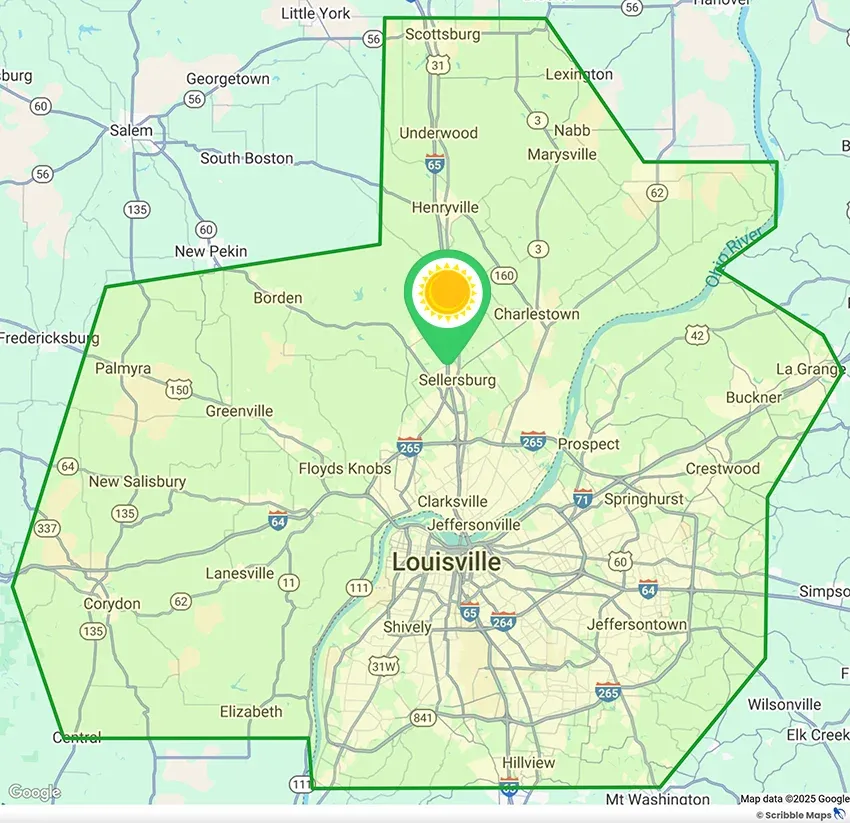
Trusted Lawn Technicians in St. Matthews Since 1978
What Professional Lawn Care Actually Does for Your Yard
A healthy yard starts with understanding what's going on beneath the surface. Grass that looks fine one season can thin out, fade, or get overrun with weeds the next, and without knowing why, it's hard to fix. That's where a proper lawn assessment makes all the difference.
Why a Customized Lawn Assessment Changes Everything
Our lawn assessments look at the full picture, not just what's visible on the surface. Soil health, turf type, and weed pressure all interact with each other, and a plan that works for one yard in Indiana might not work for another. Soil pH, compaction, and nutrient levels all affect how well your grass roots and holds up under heat, drought, or heavy foot traffic. Getting those details right from the start means your lawn care plan is built around your actual lawn, not a generic template.
- Soil testing identifies deficiencies before they become visible problems
- Turf type determines which fertilizers and treatments are most effective
- Weed pressure assessment helps target problem areas with the right approach
- A tailored plan avoids wasted product and reduces the risk of turf damage
Professional Care vs Doing It Yourself
Research shows that professionally maintained lawns are up to 30% more resistant to drought and disease stress compared to self-treated yards. That gap comes down to timing, product selection, and consistency, things that are hard to get right without training and the right tools. A professionally treated lawn typically develops a deeper, more stable root system, which means greener grass that bounces back faster after summer heat or a dry spell. DIY products from a hardware store are broad-spectrum, but professional-grade treatments are matched to what your specific turf actually needs.
Working together also means the results go further when homeowners do their part.
- Consistent watering, especially after applications, helps nutrients absorb properly
- Mowing at the right height protects the turf and reduces stress on the grass
- Avoiding overwatering prevents runoff that can wash away treatments
- Keeping mower blades sharp reduces tearing, which can open grass up to disease
When the work between Lawn Cure and the homeowner lines up, the results are noticeably better, and a lot of the most common lawn questions tend to answer themselves over time.
Weed Control in St. Matthews
What's Actually Growing in Your Indiana Lawn
Weeds are not just an eyesore. They compete directly with your grass for water, sunlight, and soil nutrients, and once they get a foothold, they spread fast. Studies show that a single dandelion plant can produce up to 15,000 seeds in a season, which gives you a sense of how quickly a weed problem can go from minor to out of hand.
In Indiana, the most common culprits tend to fall into two categories: grassy weeds and broadleaf weeds. Knowing what you are dealing with is the first step toward actually getting rid of them. Here are some of the most common weeds found in local lawns:
Common lawn weeds in Indiana:
- Crabgrass, a grassy annual that thrives in heat and thin turf
- Dandelions, a broadleaf perennial with deep taproots
- White clover, a broadleaf weed that spreads through stolons
- Nutsedge, a grassy weed often mistaken for turf grass
- Chickweed, a cool-season broadleaf that germinates in fall
- Wild violet, a stubborn broadleaf perennial with waxy leaves
Pre-Emergent and Post-Emergent Treatments Built Into Your Plan
Effective weed control is not a one-time application. It works in two phases, and both matter. Pre-emergent treatments go down in early spring before weed seeds have a chance to germinate. Think of it as stopping the problem before it starts. Lawn Cure applies two full rounds of pre-emergent each spring, which is something most services skip. That second application fills in gaps left by the first and extends your protection window significantly.
Post-emergent treatments handle the weeds that are already up and growing. These are applied throughout the growing season as part of your routine lawn care visits, so there is no need to schedule a separate service or call in a panic when something pops up. The treatments are targeted, meaning they go after broadleaf and grassy weeds without damaging your turf.
Both approaches are folded directly into Lawn Cure's ongoing lawn care program, so your lawn is being protected all season long without you having to think about it.
Why Professional Weed Control Gets Results That DIY Does Not
Store-bought sprays and granules are tempting because they seem simple. But most homeowners end up applying the wrong product, at the wrong time, or at the wrong rate, and the weeds come back anyway. Weed control timing is everything. Apply a pre-emergent too late and the seeds have already sprouted. Use a post-emergent on the wrong weed type and nothing happens. And without the right equipment, getting consistent coverage across your lawn is nearly impossible.
Professional-grade products are also formulated differently than what you find at the hardware store. They are more concentrated, more targeted, and more effective at managing the regional weed pressure that comes with Indiana's specific climate and soil conditions. When you add in the time, cost of repeated product purchases, and frustration of inconsistent results, the DIY route rarely comes out ahead.
Consistent, season-long weed management keeps your lawn thicker and healthier over time, which itself is one of the best natural defenses against weeds taking hold in the first place. If you have questions about how this works or what to expect from a treatment plan, the answers to the most common ones are just ahead.
Aeration & Overseeding in St. Matthews
Aeration and Overseeding in St. Matthews
Soil compaction and thatch buildup are two of the most common reasons a lawn starts to thin out, struggle through dry spells, or just never seem to bounce back after summer stress. Core aeration directly addresses both, pulling small plugs of soil from the ground so air, water, and nutrients can actually reach the root zone. In Indiana, where summer heat puts cool-season turf through a lot, fall is the ideal window to do this work.
- Reduces thatch that blocks water and nutrient absorption
- Relieves soil compaction so roots can grow deeper and spread more freely
- Improves airflow through the turf profile, reducing conditions that favor disease
- Strengthens the root system heading into winter so grass comes back thicker in spring
Studies show that compacted soil can reduce water infiltration by up to 50 percent, meaning a significant portion of what you put into your lawn never reaches the roots. Aerating annually keeps that from becoming a recurring problem.
Overseeding After Aeration in the Louisville Area
Lawn Cure applies premium seed blends chosen specifically for the Louisville Metro area, targeting cool-season grasses that establish well during fall's moderate temperatures and reliable moisture. The timing matters here. Seeding from September through mid-October gives new grass enough time to germinate and develop roots before the first frost, so it arrives in spring already established rather than starting from scratch. Bare spots, thin areas, and worn patches all get extra attention to encourage dense, even growth across the whole lawn.
What goes into the overseeding process:
- High-quality grass seed selected for regional performance and durability
- Even application across the full lawn with focused coverage on problem areas
- Aftercare guidance on watering schedules and mowing to protect new germination
Done together every fall, aeration and overseeding build the kind of root structure that holds up through heat, drought, and foot traffic, and there are plenty of common questions about how that process actually works.
Mosquito Control Service in St. Matthews
Mosquitoes in St. Matthews and Why Your Yard Keeps Inviting Them Back
If you've ever stepped outside on a warm evening and immediately started swatting, you already know the problem. Mosquitoes in Indiana are relentless from late spring through early fall, and certain yard conditions make your property especially attractive to them.
What Draws Mosquitoes to Your Property
Mosquitoes don't show up randomly. They're looking for specific things, and most yards have at least a few of them. Standing water is the biggest draw since even a bottle cap's worth can become a breeding site. Beyond that, dense shrubs, shaded mulch beds, and clogged gutters all give mosquitoes cool, moist places to rest and reproduce. According to the CDC, mosquitoes can detect carbon dioxide from up to 100 feet away, meaning your backyard gathering is essentially a signal fire for them.
Common conditions in Indiana yards that attract mosquitoes include:
- Standing water in birdbaths, low spots, and clogged downspouts
- Dense vegetation and shaded shrubs where adults rest during the day
- Mulched areas that hold moisture and provide ground-level cover
- Ornamental ponds or water features without proper circulation
Recurring Professional Mosquito Abatement vs Doing It Yourself
Store-bought sprays and citronella candles can knock back a few mosquitoes here and there, but they don't address the source of the problem. Mosquito prevention that actually works means treating breeding sites and resting areas on a consistent schedule throughout the entire season. That's where recurring professional treatments make a real difference.
Lawn Cure applies targeted liquid treatments monthly during warmer months, covering the spots that matter most including shrubs, mulch beds, standing water sources, and gutter downspouts. Because treatments build on each other over time, protection gets stronger as the season goes on rather than starting from scratch every time you notice a problem. For families who want to use their yard without constantly worrying about bites or the health risks mosquitoes carry, like West Nile virus or heartworm in pets, that consistency isn't a luxury. It's just the smarter approach.
If you still have questions about how mosquito control works or what to expect from a treatment program, the answers to the most common ones are just below.